Round Table Discussion Points on AI Security
AI Security Starts with the Basics
I was recently invited to join a round‑table discussion on AI and security concerns. As you can imagine, the list of risks is long and growing. But for this post, I want to stay grounded in the fundamentals—the security controls that mattered long before AI and matter even more now.
And yes, in true modern fashion, I often draft my thoughts in near‑ready form and run them through an AI system for grammar checks and polish. That’s not a shortcut; it’s a workflow. This blog isn’t meant to be a step‑by‑step guide. It’s meant to spark thought, encourage your own research, and remind you that the basics still matter.
The “Old Reliable” Security Controls Still Matter
Let’s start with three foundational controls that didn’t suddenly appear because of AI—they’ve always been essential.
1. Securing the Data: The Foundation of Every AI System
AI systems are only as secure as the data they’re trained on and the data they access. If the underlying data layer is weak, everything built on top of it inherits that weakness.
Core practices include:
Hardening databases and vector stores
Encrypting data at rest and in transit
Monitoring for data poisoning attempts
Filtering malicious inputs before they enter the pipeline
Implementing strict access controls and audit logging
Why it matters:
AI models can be subtly manipulated through poisoned or corrupted data. A single malicious dataset can shift model behavior in ways that are hard to detect but impactful over time.
2. Securing AI Service Accounts: The Overlooked High‑Risk Area
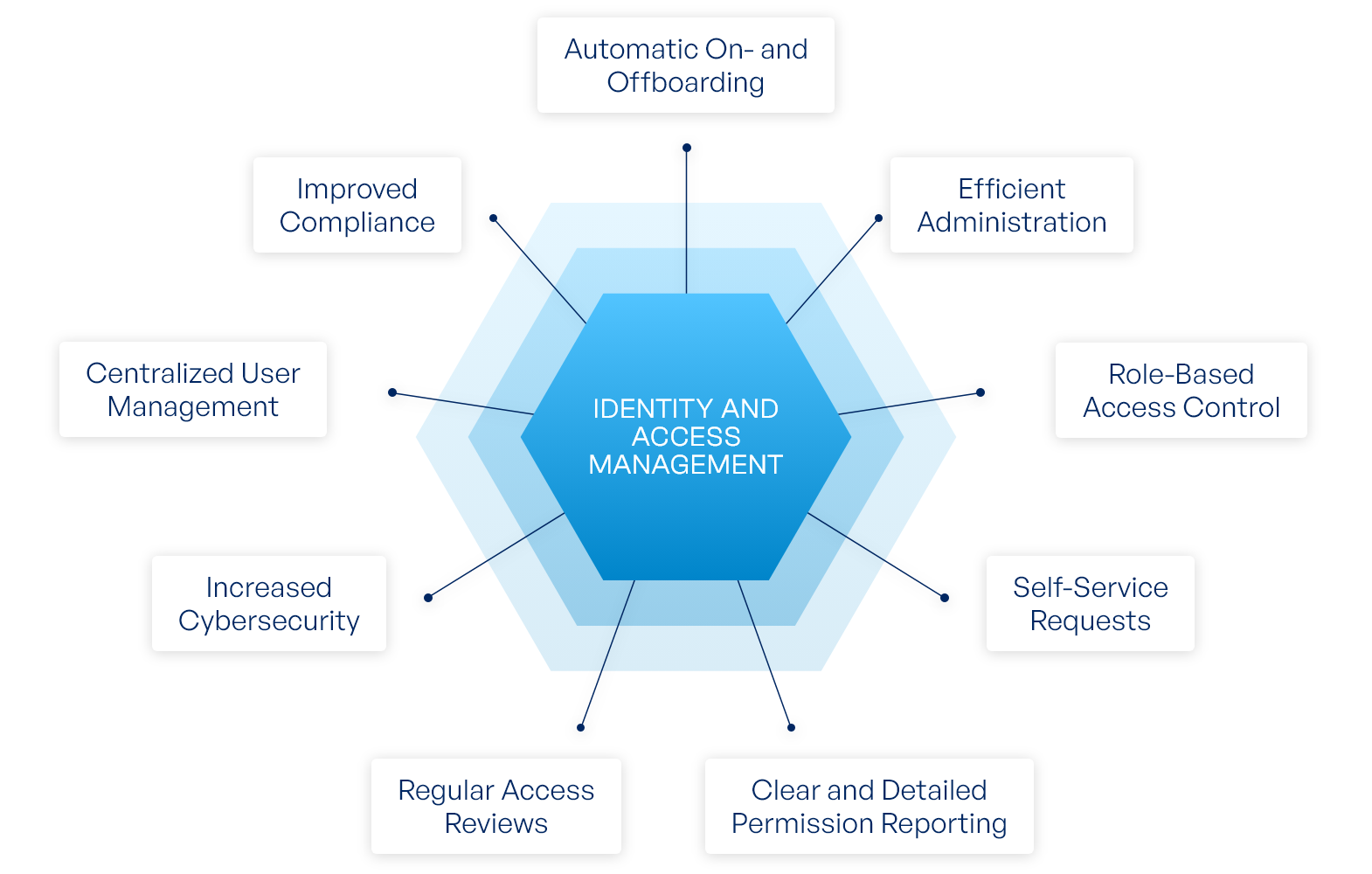
Diagram by: Octree | IAM www.actree.co.uk
AI systems often run with elevated privileges, broad access, or automated decision‑making authority. That makes their service accounts prime targets.
Core practices include:
Strong authentication with no static keys
Least‑privilege access for model, data, and downstream actions
Credential rotation and monitoring
Preventing privilege escalation by AI agents
Why it matters:
If an attacker compromises an AI service account, they may gain:
Access to sensitive data
Ability to manipulate model outputs
Ability to inject malicious training data
Ability to impersonate the AI system
This is one of the highest‑risk areas in AI security today—and one of the most frequently overlooked.
3. Secure Coding for AI Developers: Same Principles, New Threats
If your developers already follow secure coding practices, great. But AI introduces new classes of vulnerabilities that traditional training doesn’t cover.
Core practices include:
Training developers on prompt injection
Understanding model‑specific vulnerabilities (jailbreaks, leakage, etc.)
Sanitizing inputs before they reach the model
Validating outputs before they reach downstream systems
Using secure deployment frameworks
Ensuring supply‑chain security for libraries and model weights
Why it matters:
Developers must understand:
How LLMs can be manipulated
How to prevent model inversion attacks
How to stop prompt‑based privilege escalation
How to secure model endpoints
AI expands the attack surface, and developer awareness must expand with it.
Beyond the Basics: What Modern AI Security Programs Must Include
Once the fundamentals are in place, AI‑era security programs should also account for:
Model security to protect against:
Model theft
Model inversion
Membership inference
Adversarial examples
Prompt and input security to prevent:
Direct prompt injection
Indirect prompt injection
Output manipulation
Output validation to ensure AI cannot:
Execute harmful actions
Leak sensitive data
Generate unauthorized commands
AI supply‑chain security to ensure:
Model weights are authentic
Training data sources are trusted
Dependencies are secure
Monitoring and incident response tailored for AI—because AI failures don’t look like traditional system failures.
Final Thoughts
Hopefully, this highlights an area or two that may not have been on your radar before. And if nothing here was new to you, then you are already off to a strong start.
The important thing to remember is that AI did not eliminate the need for foundational security practices. In many ways, it amplified their importance.
The organizations that will succeed in securing AI systems are not necessarily the ones chasing every new security trend. They are the ones consistently applying strong fundamentals while adapting thoughtfully to the unique risks AI introduces.